
Ladlers Game Farm | Incubation & Brooding | Farm Journal
Breeding Season 2026
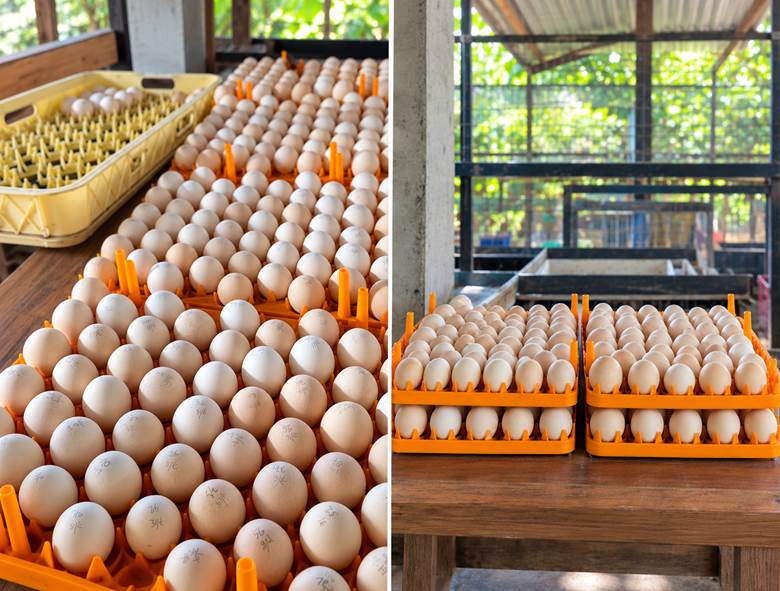
The eggs before incubation – part of our actual 2026 breeding-season record.
Every hatch begins with weeks of decisions and routine work: selecting breeding pairs, collecting and handling eggs, setting them, monitoring the incubator and waiting for hatch day. In August 2026, one batch taught us how quickly that work can be put at risk by a single equipment failure.
August 5: When the Hatch Changed
On August 5, 2026, the eggs were already at a critical late stage of incubation. I took an early dinner at around 5:00 p.m. and returned at approximately 6:30 p.m. When I checked the hatcher, the temperature display was far above the intended setting because the thermostat had malfunctioned.
Based on what I observed, I suspect the actual overheating period did not last longer than about 30 minutes, although there was no independent continuous temperature record to establish the exact duration.
I immediately switched the hatcher off and opened the door slightly to exhaust the accumulated heat. I then contacted a friend who builds incubators and asked him to accommodate an emergency transfer of the eggs to one of his hatcher units while mine was being repaired.
Despite the response, the damage had already been done. Around 150 eggs from that batch did not make it.
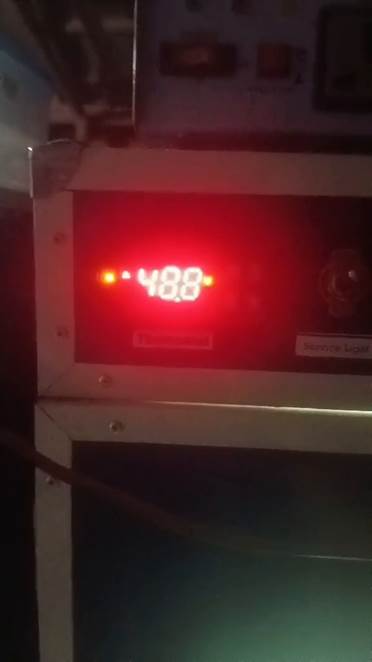
Frame from the actual incident video showing the hatcher temperature display during the malfunction.
▶ Watch the actual thermostat-malfunction video
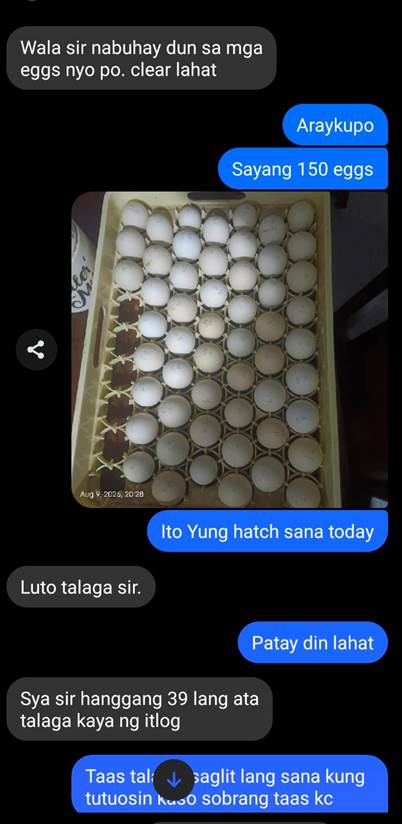
The message after the failed hatch made the scale of the loss real: roughly 150 eggs.
The Lesson Was Bigger Than the Thermostat
It would be easy to describe the event simply as a thermostat failure. The more useful question was what we could change so that one failed component would not be able to decide the fate of an entire batch.
A thermostat may control the hatcher, but relying on a single reading also creates a single point of failure. After this experience, independent monitoring, faster alerts and an emergency transfer plan became much more important to us.
- Use an independent thermometer or temperature probe to verify the machine’s own reading.
- Increase monitoring as hatch day approaches, when there may be little time to recover from a major temperature excursion.
- Consider an independent high-temperature alarm or backup control.
- Have a practical emergency plan for moving eggs if the primary hatcher must be shut down.
- Keep records of dates, readings, incidents and hatch results so each batch can improve the next one.
Ten Days Later: 147 Chicks
The failed batch did not define the entire season. Our second batch continued, and on August 15, 2026, it produced a successful hatch of 147 chicks.
Coming only ten days after the August 5 loss, that hatch brought relief and perspective. It showed that the breeding program could still produce a strong hatch when the incubation system performed as intended.
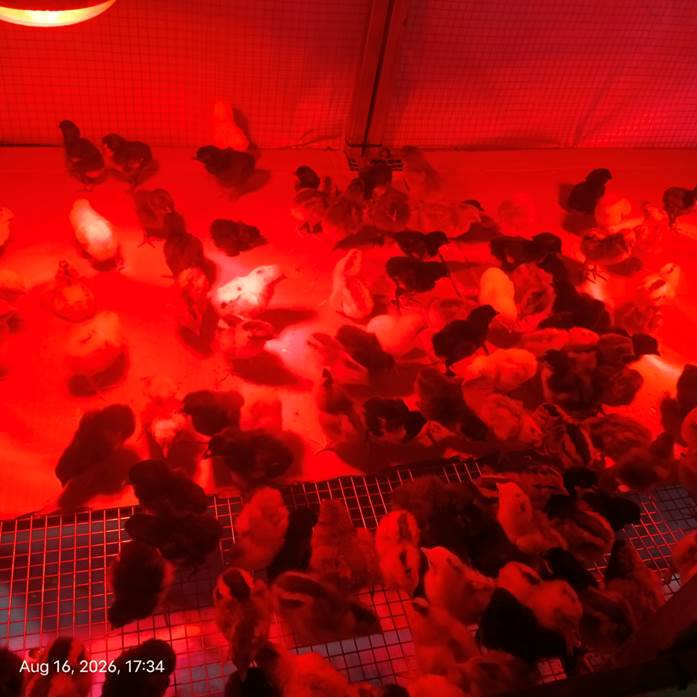
Part of the successful second batch in the brooder. The batch hatched 147 chicks on August 15, 2026.
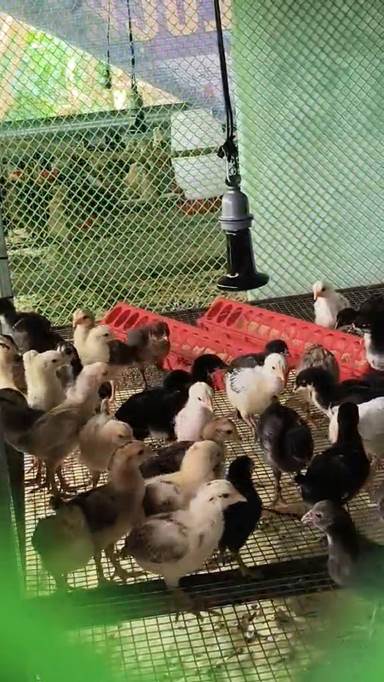
Frame from the follow-up video of the surviving young stock.
▶ Watch the follow-up chick video
Why We Document the Losses Too
It would be easy to show only the 147 chicks that hatched successfully and leave out the batch that was lost. But that would not be an honest farm journal.
Ladlers Game Farm is intended to document the journey as it actually happens – successful hatches, equipment problems, mistakes, adjustments and the lessons that follow.
The August 5 loss changed how we think about incubation risk. The August 15 hatch reminded us why we keep improving. From egg to chick, every hatch leaves a lesson for the next generation.
Discipline breeds better tomorrow.
Farm note: The times and overheating duration are based on our observation and reconstruction of the incident. The exact duration of the temperature excursion was not independently recorded.